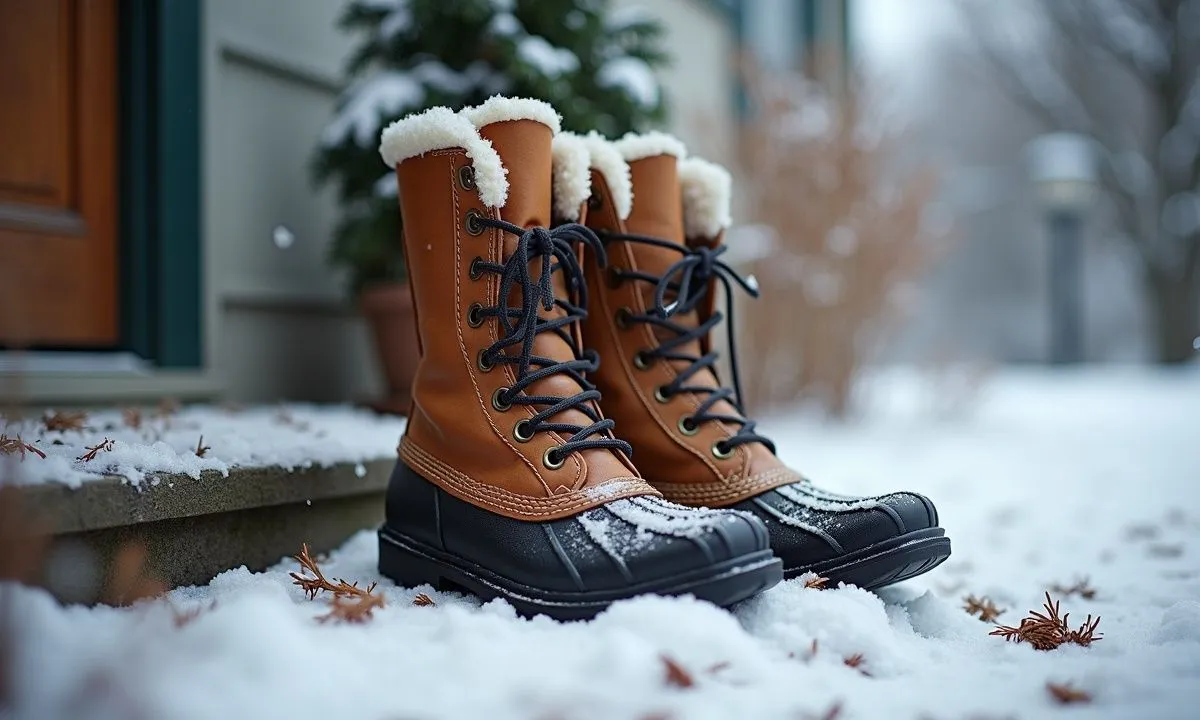
As winter descends, some regions become a frozen tapestry of snow and ice, where the chill can seep into your bones. For those who find themselves trudging through this wintry landscape, warmth becomes a necessity rather than a luxury. If you’ve ever returned from a day outdoors with frozen toes and a sense of despair, you might have wondered about the best ways to keep your feet warm in extreme cold. One clever solution lies in the art of boot stuffing. While fancy insoles and specialized footwear can help, sometimes all you need is a little ingenuity and everyday materials to keep the cold at bay.
The Anatomy of Cold Feet
Understanding why our feet feel cold in winter can help us better prepare for the elements. The human body prioritizes blood flow to vital organs during frigid temperatures, often leaving extremities like fingers and toes vulnerable to the cold. When the temperature drops, our body instinctively reduces circulation to the feet, which can lead to discomfort or even frostbite if not managed properly.

This biological response highlights the importance of keeping feet warm, especially in extreme weather conditions. Cold feet can lead to a host of issues, from reduced mobility to a greater chance of slips and falls. Therefore, addressing warmth is not just about comfort; it's about safety and well-being.
What to Stuff in Your Boots
When it comes to boot stuffing, the goal is to create a barrier against the cold while maintaining comfort and mobility. Here are some practical items that can be used to achieve this:
1. Wool Socks
Wool is well-regarded for its insulating properties. Thick, high-quality wool socks can trap heat and wick moisture away from your skin. When you stuff your boots with wool socks, you create an additional layer that helps maintain warmth. It’s advisable to choose socks that fit snugly but not too tightly, as constricted blood flow can lead to cold feet.
2. Newspaper or Paper Towels
In a pinch, crumpled newspaper or paper towels can serve as excellent insulators. These materials trap air, which provides insulation against the cold ground. Simply stuff a few pieces into your boots, ensuring they cover the toes and the sole. While this option might not be the most fashionable, it’s effective and readily available.
3. Fleece Liners
Fleece is another fantastic material for keeping warm. If you have an old fleece jacket or blanket lying around, consider cutting it into pieces that can fit snugly into your boots. The fluffy texture of fleece creates pockets of warm air, making it a great option for stuffing. Plus, it’s lightweight, so you won’t feel weighed down as you walk.
4. Rice or Beans
For those who want to get creative, uncooked rice or beans can be an alternative stuffing material. These grains can be placed in a cloth bag and then stuffed into the boot. Not only do they provide insulation, but they also conform to the shape of your foot, offering some comfort. Just be cautious with moisture, as damp grains can lead to unpleasant odors or mold.
5. Old Sweaters
Repurposing an old sweater can be a great way to add warmth to your boots. Cut the sleeves or body into strips and stuff them into the boot. Wool or cashmere sweaters work particularly well due to their insulating properties. This eco-friendly option helps reduce waste while keeping your feet cozy.
6. Foot Warmers
If you prefer pre-made solutions, consider disposable foot warmers. These small packets generate heat when exposed to air, providing relief for hours. They are especially useful during extended outdoor activities, like skiing or snowshoeing, where traditional boot stuffing might not suffice. Just make sure to follow the instructions to avoid burns.
Layering Techniques
When stuffing your boots, layering is key. It’s not just about cramming materials into your footwear; it’s about creating an effective barrier against the cold. Start with a base layer, such as a moisture-wicking sock, to ensure your feet stay dry. Then, add one or two layers of insulative materials based on the severity of the cold.

For example, on particularly frigid days, you might wear a thin wool sock, followed by a thick fleece liner, and finish with a layer of crumpled newspaper. Experimenting with different combinations can help you find the perfect balance of warmth and comfort.
The Role of Proper Boot Fit
No matter how effective your stuffing material is, if your boots don't fit properly, you’ll still feel the cold. Boots should be snug but not too tight. Too much pressure on your toes can constrict blood flow, making it harder to maintain warmth. Conversely, overly loose boots can lead to excess movement, causing chafing and blisters.
When choosing boots for extreme cold, look for those with thermal insulation and waterproofing. A good pair of winter boots should have enough space for you to add your stuffing without compromising fit. Consider trying on boots with the materials you intend to use to ensure comfort throughout the day.
Real-World Examples of Boot Stuffing
Many outdoor enthusiasts have their own stories about creative boot stuffing solutions. For instance, avid skiers often pack their boots with extra socks and thermal liners before hitting the slopes. Others, like winter hikers, have shared tales of using crumpled newspaper during extended trips in the backcountry, finding it surprisingly effective for warmth.
Even casual winter walkers have adopted these techniques. A mother recounted how she stuffed her child’s boots with old sweaters during a spontaneous snowball fight, keeping her little one warm and active while avoiding the dreaded “cold feet” tantrum.
Maintaining Comfort in Extreme Cold
Warmth isn’t just about stuffing; it’s also about managing moisture and ensuring your feet remain comfortable. Moisture can lead to cold feet even in the warmest conditions, so consider the following tips:
1. Choose Moisture-Wicking Materials
In addition to warm socks, select moisture-wicking materials that draw sweat away from your skin. This helps to keep your feet dry and warm. Look for socks made from merino wool or synthetic blends designed for outdoor activities.
2. Avoid Cotton
While cotton is breathable, it retains moisture, making it a poor choice for cold-weather activities. Stick to materials that will help regulate temperature and wick away moisture.
3. Regular Breaks
If you’re spending long hours outdoors, take regular breaks to give your feet a chance to breathe. Remove your boots and allow your feet to air out. This simple practice can help prevent moisture buildup and keep your feet warm.
Mindful Outdoor Activities
Planning outdoor activities with the cold in mind can also make a significant difference in maintaining warmth. If you’re hiking, skiing, or snowboarding, try to keep your activity level up. Physical movement generates body heat, helping to keep your extremities warm.
Additionally, consider the timing of your activities. Early mornings and late afternoons can bring colder temperatures, so plan your outings during the warmest parts of the day. This can make a noticeable difference in your comfort level.
Psychological Factors of Cold Weather
It’s worth mentioning that our mindset can also affect how we perceive cold. When bundled up in warm layers and prepared with effective boot stuffing, the psychological burden of winter can lessen. There’s something about being well-prepared that can shift your perspective from dread to enjoyment, allowing you to embrace the beauty of winter.
Final Thoughts on Boot Stuffing for Warmth
As temperatures plummet and winter takes hold, finding ways to keep your feet warm is essential. Boot stuffing offers a practical, cost-effective solution that can be tailored to individual needs and preferences. By using materials like wool socks, fleece liners, or even repurposed clothing, anyone can keep the cold at bay.
Ultimately, it’s about being resourceful and willing to adapt to your environment. Each person's experience with cold weather is different, but with a little creativity and preparation, enjoying the outdoors in winter can be a rewarding experience.
So the next time you prepare for a winter outing, consider the art of boot stuffing. You might just discover that staying warm doesn’t require fancy gear, but rather a bit of ingenuity and a thoughtful approach to what you already have on hand.




Comments (0)
No comments yet. Be the first to comment!
Leave a Comment