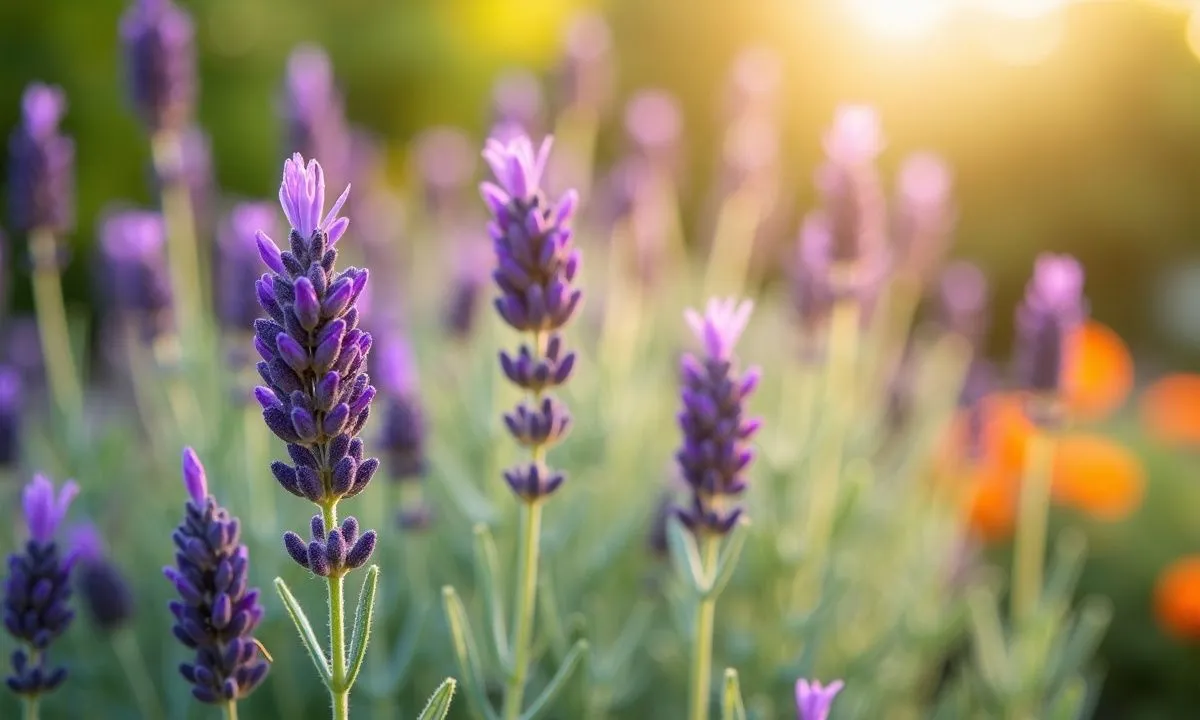
As the sun rises over a garden filled with vibrant colors and fragrant aromas, one plant stands out with its silvery-green leaves and delicate purple blooms: lavender. This beloved herb, known for its soothing scent and culinary uses, often raises a question among gardeners and enthusiasts alike: how often should you water lavender? The answer might not be as straightforward as one might hope, and several factors come into play.
The Natural Habitat of Lavender
Understanding the watering needs of lavender begins with a look at its native environment. Lavender thrives in the Mediterranean regions, characterized by hot, dry summers and mild winters. These conditions have shaped the plant's resilience and adaptability. In its natural habitat, lavender grows in rocky, well-drained soils with minimal water retention. This means that lavender is more likely to suffer from overwatering than from underwatering.
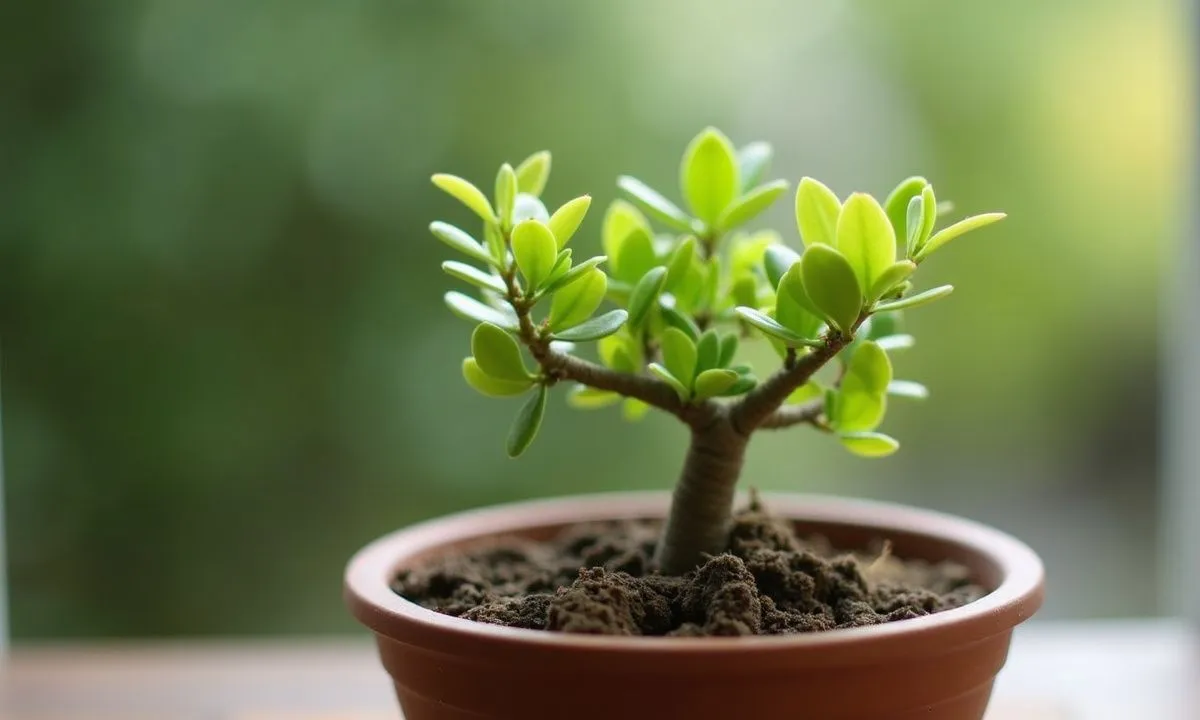
When you plant lavender in your garden or in pots, replicating these conditions can significantly affect its health and growth. It’s essential to consider the climate, soil type, and drainage when deciding how much and how often to water your lavender plants.
Understanding Soil Drainage
Soil drainage is a crucial factor in determining the frequency of watering lavender. Ideal soil for lavender should be sandy or loamy, which allows excess water to drain quickly. If you’re planting lavender in heavy clay soil, you might find that water pools around the roots, leading to root rot and other issues. In such cases, amending the soil with sand or gravel can improve drainage.
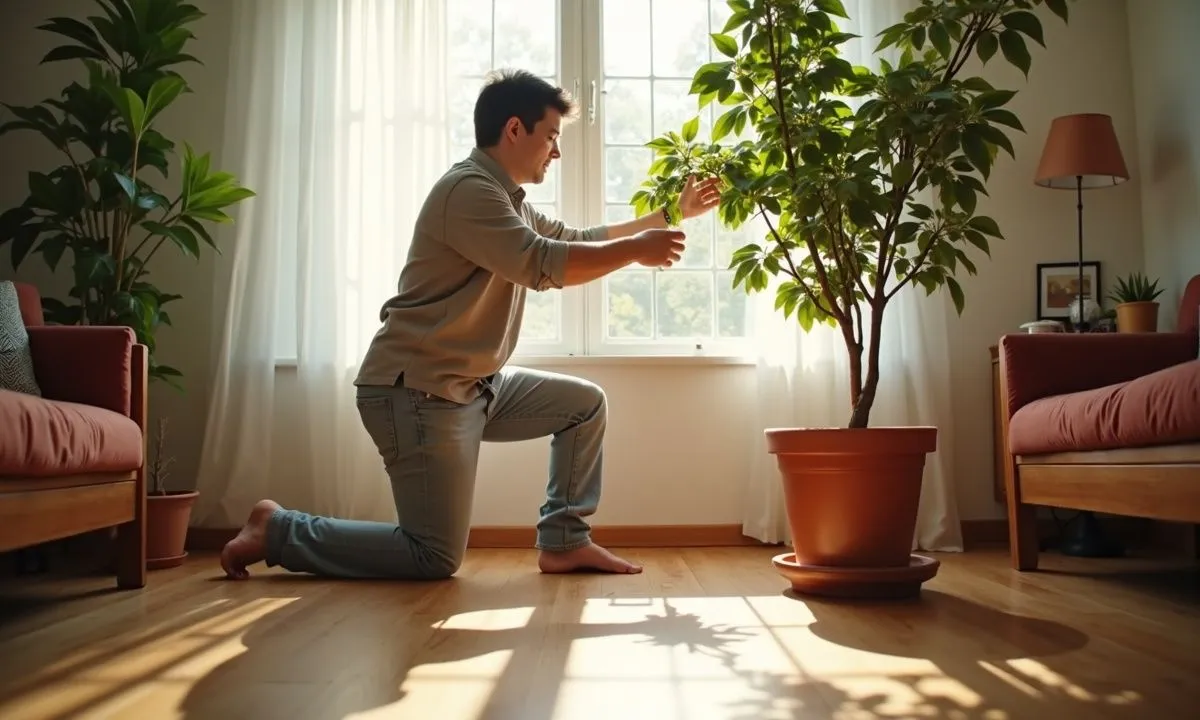
To check if your soil drains well, conduct a simple test: dig a hole about a foot deep and fill it with water. If the water drains within a few hours, your soil is likely suitable for lavender. However, if the water remains stagnant for longer, it’s a sign that you need to address the drainage issue before planting.
Watering Frequency Based on Climate
The climate plays a vital role in how often you should water lavender. In hotter, arid regions, lavender may require more frequent watering, especially during the peak of summer. Conversely, in cooler climates or during the rainy season, watering can be minimized. On average, most lavender plants need watering every two to three weeks during the growing season.
During the initial planting phase, it’s critical to keep the soil consistently moist to help establish the roots. After the first few weeks, gradually reduce the frequency of watering as the plant establishes itself. This will encourage the lavender to develop a robust root system, making it more drought-tolerant.
The Role of Mulching
Mulching around your lavender plants can be a strategic move in managing moisture levels. A layer of organic mulch, such as wood chips or straw, can help retain soil moisture while preventing weeds from competing for nutrients. However, it’s essential to apply mulch sparingly. Too much can trap moisture and lead to root rot. Aim for a thin layer, allowing the soil to breathe while still benefiting from the protection mulch provides.
Signs of Overwatering and Underwatering
Being attentive to your lavender plants can provide invaluable feedback on their watering needs. Overwatered lavender often exhibits signs such as yellowing leaves, wilting, and a generally unhealthy appearance. The roots may become mushy and brown, indicating root rot. If you observe these symptoms, it’s best to cut back on watering and ensure proper drainage.
On the other hand, underwatered lavender may show signs of stress, such as drooping leaves and a lack of blooms. The leaves may also become crispy or brown at the edges. If you notice these signs, it’s time to give your lavender a good soak, ensuring the water reaches the root zone.
Seasonal Adjustments
The watering regimen for lavender should adapt with the seasons. In spring and summer, when the plant is actively growing and blooming, its water needs are higher. This is the time to increase your watering frequency, especially during dry spells. However, as fall approaches and temperatures drop, lavender enters a dormant phase. During this time, reduce watering significantly. Excess moisture in colder months can lead to frost damage and root rot.
In winter, especially in regions with colder climates, lavender requires minimal moisture. If your lavender is planted in the ground, natural precipitation may be sufficient. For potted lavender, it’s crucial to monitor the moisture levels carefully, as pots can dry out more quickly than garden beds.
Watering Techniques
The method you use to water your lavender can also affect its health. Drip irrigation or a soaker hose can deliver water directly to the roots without soaking the foliage, reducing the risk of fungal diseases. If you’re watering by hand, aim to water at the base of the plant early in the morning or late in the afternoon to prevent evaporation.
Common Misconceptions
Many gardeners hold misconceptions about lavender care, particularly regarding watering. One prevalent myth is that lavender needs a lot of water to thrive. In reality, this plant is adapted to survive in drier conditions. Another misconception is that all lavender varieties have the same watering needs. Factors such as variety, growth stage, and local climate can all influence how much water a particular lavender plant requires.
Practical Tips for Watering Lavender
To ensure your lavender thrives, follow these practical tips:
- Water deeply but infrequently to encourage deep root growth.
- Check the soil moisture level before watering; use your finger to gauge depth.
- Adjust your watering schedule based on weather conditions.
- Observe your plants regularly for signs of stress.
- Consider the container size if you’re growing lavender in pots; larger pots retain moisture longer.
Final Thoughts on Lavender Care
Watering lavender may seem simple, but it requires careful attention to detail. By understanding the plant's natural habitat, soil needs, and seasonal changes, you can effectively nurture your lavender plants to flourish. Remember, it’s not just about how often you water, but how you approach the entire growing process that determines the health and vibrancy of your lavender garden.
As you tend to your lavender, take a moment to appreciate its resilience and beauty. With the right care, your lavender can thrive, providing you with joy for years to come. Whether for culinary use, aromatherapy, or simply as a stunning addition to your garden, lavender deserves the best care you can give.

Comments (0)
No comments yet. Be the first to comment!
Leave a Comment